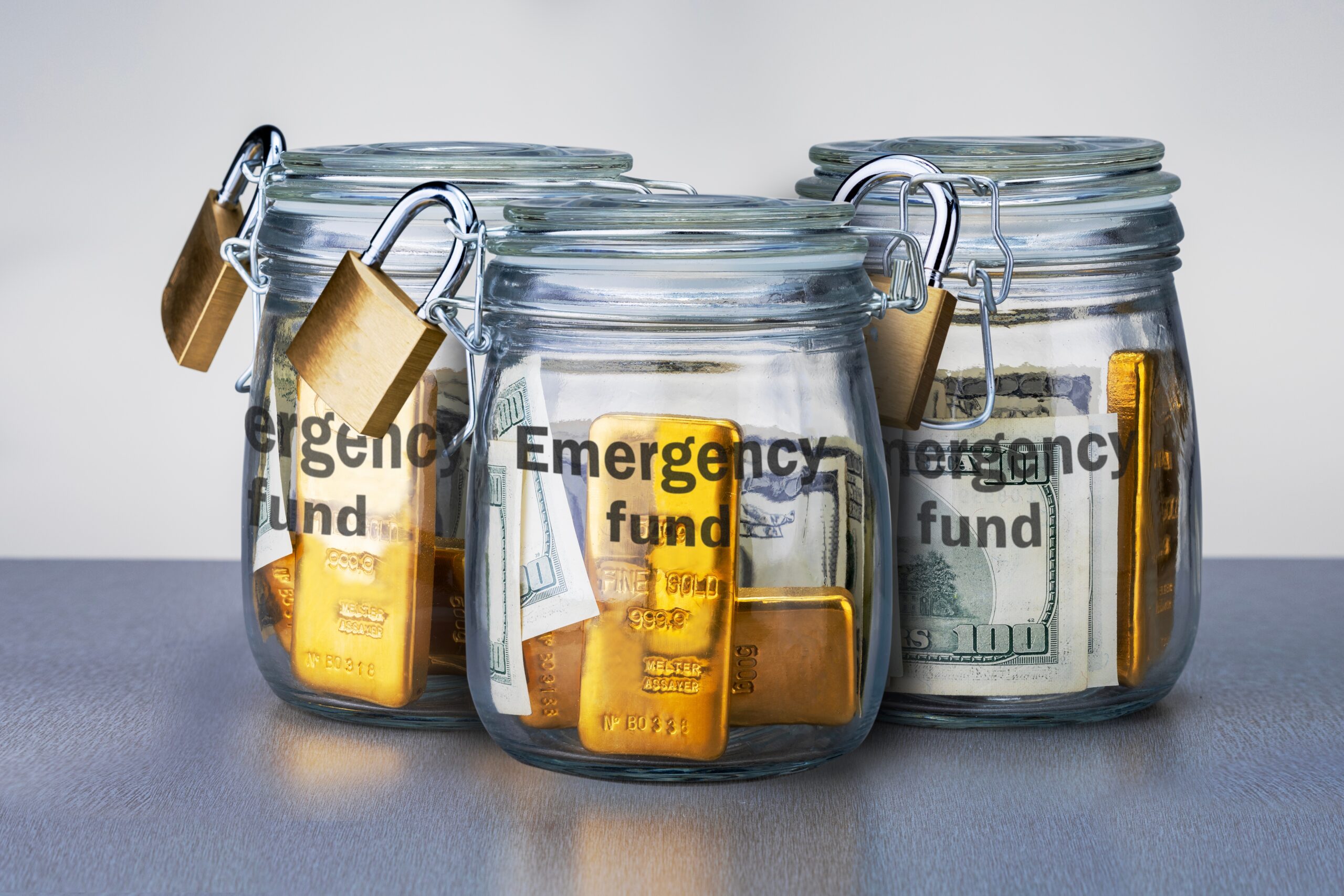
An emergency fund is the least glamorous and most powerful thing in personal finance. It’s the buffer that turns a blown tire, a surprise bill, or a lost paycheck from a catastrophe into a mere inconvenience.
Think of it as self-funded insurance. When something goes wrong — and eventually something does — you pay yourself instead of reaching for a credit card at 20%-plus interest.
How much do you need?
The common guideline is three to six months of essential expenses. But that target can feel paralyzing when you’re starting from zero, so break it into stages:
- Stage 1 — a starter cushion. Aim for one month of essentials first, or even a single round number that feels reachable. This alone stops most small emergencies from becoming debt.
- Stage 2 — the full fund. Build toward three to six months of needs-only expenses (not your whole lifestyle — just the essentials from your budget).
Where to keep it
Your emergency fund has two jobs: stay safe and stay reachable. A high-yield savings account, separate from your everyday checking, is the classic home. It earns some interest, it’s protected, and the small friction of transferring it out helps you leave it alone.
Keep it boring on purpose
This money is not an investment. Don’t chase returns with it — the entire point is that it’s there, in full, on the worst day of your month.
How to actually build it
- Automate it. Set a recurring transfer for the day after payday. Money you don’t see is money you don’t spend.
- Start small. A modest weekly transfer beats an ambitious one you cancel. Consistency is the whole game.
- Funnel windfalls. Tax refunds, bonuses, and cash gifts are the fastest way to jump a stage.
The best time to build an emergency fund is before you need one. The second best time is today.
Once it’s fully funded, you can turn that same automated transfer toward investing — but with the safety net in place first, so you never have to sell investments at the wrong moment to cover a surprise.
This article is for general educational purposes only and is not financial advice. Everyone’s situation is different — consider speaking with a qualified financial professional before making decisions about your money.