
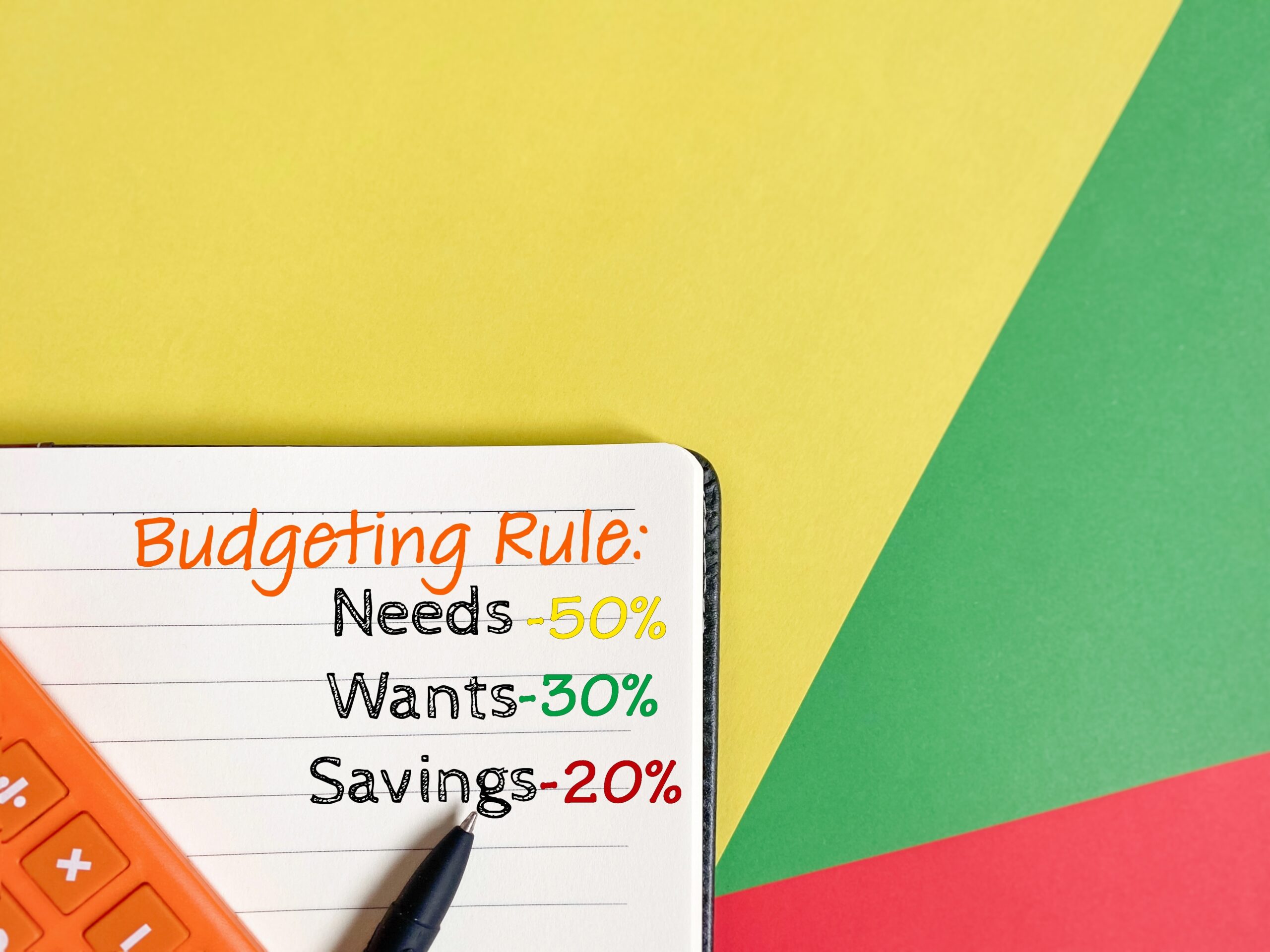
If budgeting has always felt like a spreadsheet you abandon by week two, the 50/30/20 rule is a gentler place to start. It’s a single, memorable split of your take-home pay — no dozens of categories, no daily tracking guilt.
The idea, popularized by economist Elizabeth Warren, is to divide your after-tax income into three simple buckets. That’s the whole system. Its strength is that it’s easy to remember and hard to overthink.
The three buckets
- 50% — Needs. Rent or mortgage, utilities, groceries, insurance, minimum debt payments, transport. The things you truly can’t skip.
- 30% — Wants. Dining out, subscriptions, hobbies, travel, the nice-to-haves that make life enjoyable.
- 20% — Savings & debt payoff. Building your emergency fund, investing, and paying down debt beyond the minimums.
Quick math
- Take-home pay: figure out what actually lands in your account after tax.
- Needs: aim to keep them at or under half of that.
- Everything left over is split roughly 30 / 20 between wants and your future.
Why percentages beat rigid dollar amounts
A percentage-based plan flexes with your income. Get a raise, and each bucket grows automatically. Have a lean month, and the targets scale down without you rewriting the whole budget. That resilience is exactly why people stick with it.
When the split doesn’t fit
In high cost-of-living areas, needs can easily run past 50%. That’s normal — treat the numbers as a target to move toward, not a rule you’ve failed. Even shifting from, say, 60/30/10 toward 55/30/15 is real progress.
A budget isn’t a cage. It’s a plan for spending guilt-free on the things you actually care about.
How to start this week
Pull up your last month of transactions, tag each one as a need, want, or saving, and total the three. Don’t judge the result — just see where you land. That single snapshot usually reveals one or two easy adjustments, and that’s enough to begin.
This article is for general educational purposes only and is not financial advice. Everyone’s situation is different — consider speaking with a qualified financial professional before making decisions about your money.