For a long time, investing looked like something reserved for people in suits shouting on a trading floor. Index funds quietly changed that. They made it possible for anyone to own a slice of the whole market — simply, cheaply, and without picking a single stock.
An index fund is a basket of investments designed to track a market index, like a broad collection of large companies. Instead of betting on individual winners, you own a little of everything in that index. When the overall market grows over time, so does your stake.
Why so many people favor them
- Instant diversification. One purchase can spread your money across hundreds or thousands of companies, so no single failure sinks you.
- Low costs. Because no expensive team is hand-picking stocks, fees tend to be very low — and fees quietly eat returns over decades.
- Simplicity. There’s nothing to monitor daily. This is a feature, not a limitation.
The mindset that matters most
Index investing rewards patience over cleverness. The goal isn’t to time the highs and lows — it’s to stay invested through them. Historically, the market’s best days often cluster right after its worst, which is exactly why jumping out during a scary stretch tends to backfire.
Time in the market
The old saying is “time in the market beats timing the market.” A long horizon is the individual investor’s biggest built-in advantage.
A simple way to begin
- Handle the basics first. A starter emergency fund and high-interest debt generally come before investing.
- Use tax-advantaged accounts. Retirement accounts — especially any with an employer match — are a strong first home for investing dollars. A match is effectively free money.
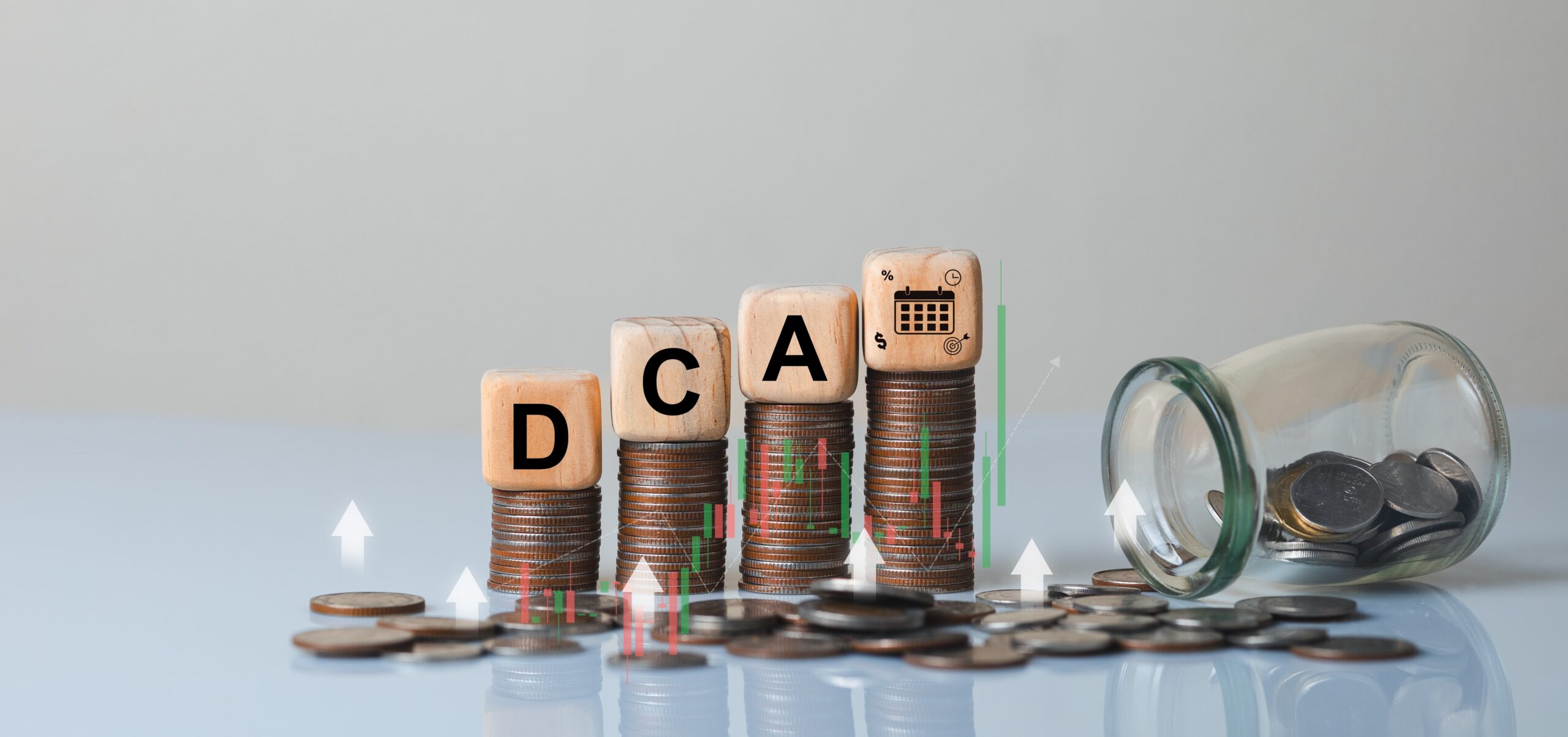
- Automate contributions. Invest a set amount on a schedule and let consistency do the heavy lifting.
The best investment strategy is usually the boring one you can stick with for thirty years.
You don’t need to understand every corner of the market to start. You need a low-cost, diversified fund, a long time horizon, and the discipline to leave it alone.
This article is for general educational purposes only and is not financial advice. Everyone’s situation is different — consider speaking with a qualified financial professional before making decisions about your money.