
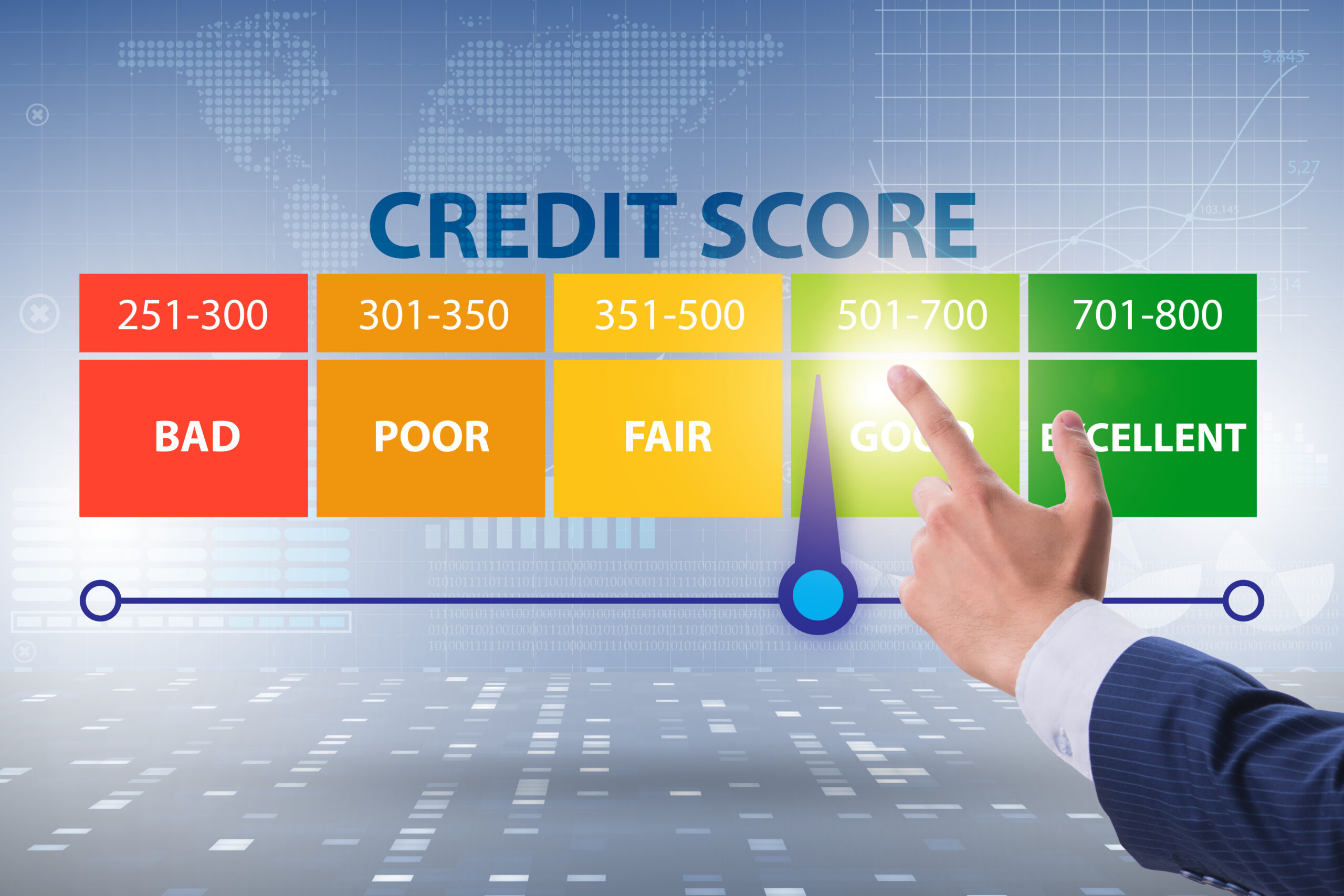
Your credit score is a three-digit number that follows you through some of life’s biggest moments — renting an apartment, buying a car, getting a mortgage. Yet most people have only a fuzzy idea of what actually moves it.
A credit score is a snapshot of how reliably you handle borrowed money. Lenders use it to gauge risk: a higher score generally means easier approvals and lower interest rates, which can translate into serious money saved over a lifetime.
What goes into the score
Scoring models weigh a handful of factors. The exact math is proprietary, but the general priorities are well understood:
- Payment history (the biggest factor). Do you pay on time? A single missed payment can sting; a pattern of on-time payments is the strongest foundation.
- Amounts owed / utilization. How much of your available credit you’re using. Keeping balances low relative to limits helps.
- Length of credit history. Older accounts generally help, which is why closing your oldest card can backfire.
- Credit mix & new credit. A range of account types and a measured pace of new applications play smaller roles.
Two habits that move the needle most
- Pay every bill on time, every time — automate the minimum so you never slip.
- Keep your credit utilization low, ideally well under a third of your limits.
What does not affect it
Checking your own score is a “soft” inquiry and never hurts it — a common and costly myth. Your income, savings balance, and debit card use aren’t part of the score either.
Building credit is less about clever tricks and more about boring reliability, repeated over time.
If you’re starting or rebuilding
Time and consistency are your tools. Pay on time, keep balances modest, and let your history age. There’s no legitimate overnight fix — but steady habits reliably move the number in the right direction.
This article is for general educational purposes only and is not financial advice. Everyone’s situation is different — consider speaking with a qualified financial professional before making decisions about your money.