
A credit card is neither good nor bad — it’s a tool. Used well, it can build your credit, protect your purchases, and even pay you back in rewards. Used carelessly, it’s one of the most expensive ways to borrow money there is.
The single idea that separates the two outcomes is this: a credit card is a convenience, not extra income. Treat it as a way to pay for things you can already afford, and most of the danger disappears.
The habits that keep you in the green
- Pay the full balance every month. This is the golden rule. Do it and you generally pay zero interest — the card becomes an interest-free short-term loan.
- Never spend to earn rewards. Cash back and points are only a win if you’d have made the purchase anyway. Chasing rewards with extra spending always loses.
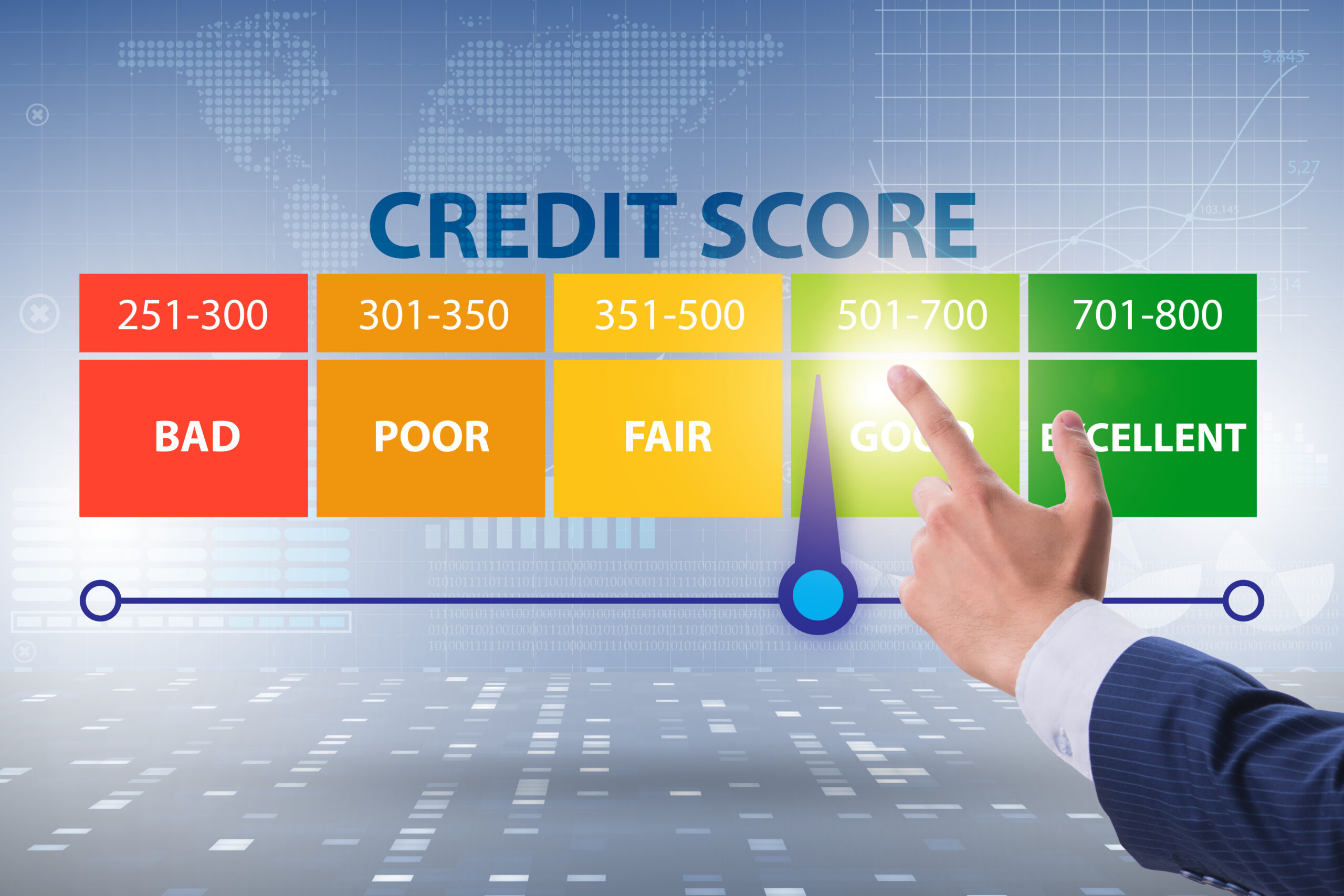
- Keep utilization low. Using a large share of your limit can weigh on your credit score even if you pay in full.
- Automate at least the minimum. One automated payment protects you from a late fee and a credit-score ding if life gets busy.
The trap to avoid
- Carrying a balance means paying interest — often 20% or more per year.
- At those rates, compounding works against you fast.
- If you’re already carrying a balance, a payoff plan comes before any rewards strategy.
Are rewards worth it?
For someone who pays in full every month, rewards are a genuine perk — effectively a small discount on spending you’d do regardless. For someone carrying a balance, no rewards rate comes close to offsetting the interest. Know which camp you’re in before you optimize.
If you can’t pay it off this month, you can’t really afford it this month. The card is just delaying that truth — with interest.
Master the pay-in-full habit first. Everything else about credit cards — rewards, perks, building your score — only works once that foundation is in place.
This article is for general educational purposes only and is not financial advice. Everyone’s situation is different — consider speaking with a qualified financial professional before making decisions about your money.